
Do You Have a Stretching Routine?
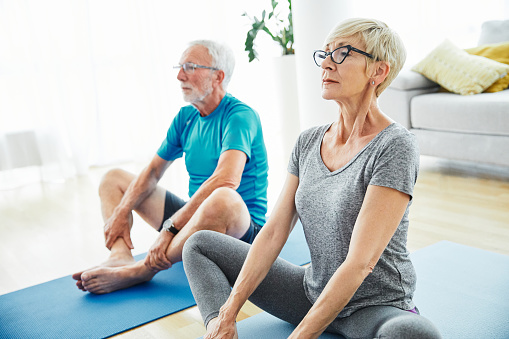
Stretching plays a vital role in maintaining mobility and independence for older adults. As the body ages, muscles naturally lose elasticity and joints can become stiffer, making everyday movements—like bending, reaching, or walking—more difficult. Regular stretching helps keep muscles flexible and joints limber, which supports better posture, balance, and coordination. This can make daily activities feel easier and more comfortable, ultimately enhancing overall quality of life.
Incorporating stretching into a routine can also reduce the risk of injury. Tight muscles are more prone to strains and can limit range of motion, increasing the likelihood of falls or discomfort during physical activity. By gently lengthening muscles and improving circulation, stretching prepares the body for movement and helps prevent common aches and pains. For older adults, even light stretching done consistently can make a meaningful difference in maintaining physical safety and confidence.
Beyond the physical benefits, stretching can contribute to mental well-being and relaxation. Taking time to stretch encourages mindfulness and can help reduce stress and tension held in the body. Many older adults find that stretching routines, especially when paired with deep breathing, promote a sense of calm and improve mood. Whether done independently or as part of a group fitness class, stretching offers a simple yet powerful way to support both physical health and emotional wellness as we age.
For a great stretching routine from Harvard Health, CLICK HERE.