
Posts by promenadeliv
The Often Unnoticed Issue of Loneliness in Senior Men
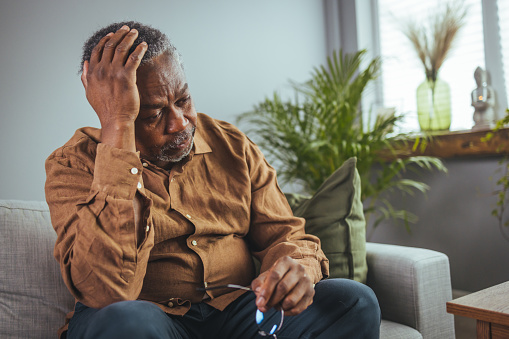
Loneliness among senior men is a growing concern that often goes unnoticed. As men age, many experience significant life changes such as retirement, loss of a spouse or close friends, and declining health, which can lead to reduced social interactions and a shrinking support network. Unlike women, who tend to maintain strong social bonds throughout…
Read MoreThe Impact of AI on Senior Healthcare

Artificial intelligence (AI) is transforming the field of medicine, offering powerful tools that improve diagnosis, treatment, and overall care—especially for older adults. AI systems can analyze vast amounts of medical data quickly and accurately, helping doctors detect diseases earlier and tailor treatments to each patient’s unique needs. For aging adults, this means better management of…
Read MoreAnxiety in Older Adults

Anxiety is a common but often overlooked concern among older adults. It can manifest as excessive worry, restlessness, irritability, or physical symptoms like rapid heartbeat and muscle tension. While some anxiety is a natural response to life’s challenges, persistent or intense anxiety can significantly impact daily functioning and overall quality of life. Older adults may…
Read MoreTips for Recognizing Infections
Infections can be more serious in older adults, but they’re often harder to detect. Unlike younger people, seniors may not always show classic signs such as fever or chills. Instead, they might experience subtle symptoms like confusion, fatigue, or a sudden change in behavior. Because the immune system weakens with age, infections such as urinary…
Read MoreWhat to Know About Shingles

Shingles, also known as herpes zoster, is a painful skin rash caused by the reactivation of the varicella-zoster virus—the same virus that causes chickenpox. After a person recovers from chickenpox, the virus lies dormant in the nerve tissue and may resurface years later as shingles. The condition often begins with tingling, burning, or itching on…
Read MoreHelpful Tips for Managing Pain
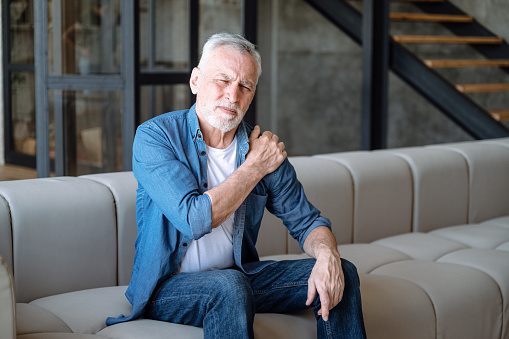
Managing pain is an important part of healthy aging, as many seniors experience chronic discomfort from arthritis, neuropathy, or other long-term conditions. One of the most effective strategies is to work closely with a healthcare provider to create a personalized plan. This may include medications, physical therapy, or targeted treatments designed to ease pain while…
Read MoreThe Importance of Gut Health as We Age

As we age, maintaining good gut health becomes increasingly important for overall well-being. The digestive system naturally slows down over time, and changes in diet, medication use, and activity levels can all affect how efficiently the gut functions. A healthy gut plays a vital role in nutrient absorption, immune function, and even mental health. Research…
Read MoreChoosing the Best Pain Relief Medicines

As we age, aches and pains can become more common—but choosing the right pain relief medication requires extra care. Older adults often process medications differently, as metabolism and kidney or liver function may slow down with age. This can increase the risk of side effects or drug interactions, especially if multiple prescriptions are already being…
Read MoreThe Importance of Washing Your Fruits and Vegetables

If you’ve ever wondered whether you should wash your fruits and vegetables after purchasing them, the answer is yes! Even if they look clean, fresh produce can carry tiny traces of dirt, bacteria, or pesticide residue from growing, harvesting, or handling. A quick rinse under running water helps remove most of these and keeps your…
Read MoreHow Diet Can Help Fight the Flu

Certain foods can play an important role in helping seniors strengthen their immune systems and fight off the flu. Nutrient-rich choices provide the vitamins, minerals, and antioxidants the body needs to stay strong during flu season, while also supporting recovery if illness occurs. Fruits and vegetables that are high in vitamin C, such as oranges,…
Read More