
Lifestyle
Is it Time to Consider Using Hearing Aids?
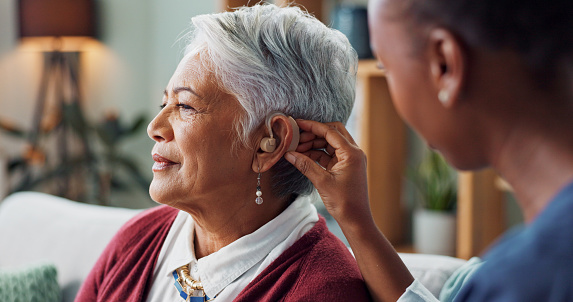
Hearing changes often happen gradually, which can make it difficult for seniors to recognize when support is needed. One of the earliest signs it may be time to try an assistive hearing device is frequently asking others to repeat themselves or feeling that people are “mumbling.” Difficulty following conversations in noisy environments—such as restaurants, social…
Read MoreThe Often Unnoticed Issue of Loneliness in Senior Men
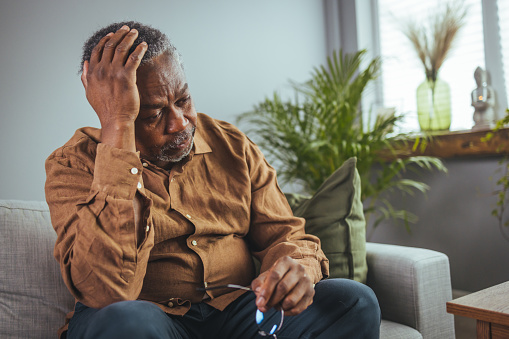
Loneliness among senior men is a growing concern that often goes unnoticed. As men age, many experience significant life changes such as retirement, loss of a spouse or close friends, and declining health, which can lead to reduced social interactions and a shrinking support network. Unlike women, who tend to maintain strong social bonds throughout…
Read MoreAnxiety in Older Adults

Anxiety is a common but often overlooked concern among older adults. It can manifest as excessive worry, restlessness, irritability, or physical symptoms like rapid heartbeat and muscle tension. While some anxiety is a natural response to life’s challenges, persistent or intense anxiety can significantly impact daily functioning and overall quality of life. Older adults may…
Read MoreTips for Recognizing Infections

Infections can be more serious in older adults, but they’re often harder to detect. Unlike younger people, seniors may not always show classic signs such as fever or chills. Instead, they might experience subtle symptoms like confusion, fatigue, or a sudden change in behavior. Because the immune system weakens with age, infections such as urinary…
Read MoreHelpful Tips for Managing Pain

Managing pain is an important part of healthy aging, as many seniors experience chronic discomfort from arthritis, neuropathy, or other long-term conditions. One of the most effective strategies is to work closely with a healthcare provider to create a personalized plan. This may include medications, physical therapy, or targeted treatments designed to ease pain while…
Read MoreHow Diet Can Help Fight the Flu

Certain foods can play an important role in helping seniors strengthen their immune systems and fight off the flu. Nutrient-rich choices provide the vitamins, minerals, and antioxidants the body needs to stay strong during flu season, while also supporting recovery if illness occurs. Fruits and vegetables that are high in vitamin C, such as oranges,…
Read MoreHow to Know if You’re Taking Too Many Prescription Drugs
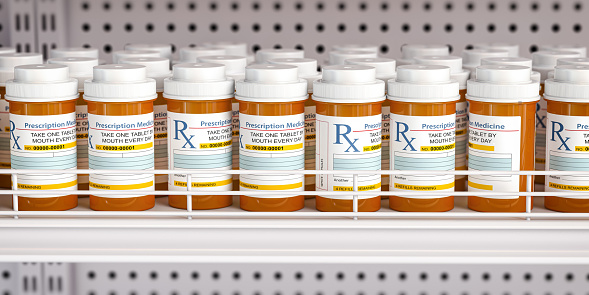
As people age, it’s common to develop multiple health conditions that require medication. However, taking too many prescription drugs—also known as polypharmacy—can pose serious risks, especially for older adults. Warning signs that you may be taking too many medications include feeling unusually tired, confused, dizzy, or experiencing frequent falls. New or worsening side effects, such…
Read MoreHow to Increase Your Muscle Power

Older adults can safely increase their muscle power by engaging in regular, targeted strength training that’s appropriate for their fitness level and health status. Muscle power—the ability to exert force quickly—is especially important for daily activities like rising from a chair or climbing stairs, and it plays a key role in fall prevention. One effective…
Read MoreDiabetes in Older Adults

Diabetes is a common chronic condition in older adults, and managing it effectively is crucial for maintaining quality of life and preventing complications. There are two main types of diabetes that affect older adults: • Type 1 Diabetes is an autoimmune condition in which the body’s immune system attacks insulin-producing cells in the pancreas. It usually…
Read MoreWays to Boost Joy in Your Life

Finding joy in life is essential at every age, and for older adults, it often comes from embracing the present and nurturing the things that bring meaning and connection. Joy can be found in simple pleasures—like tending to a garden, enjoying a favorite book, or sharing a meal with loved ones. Staying engaged with hobbies,…
Read More