
Lifestyle
Healthy Eating Tips for Older Adults
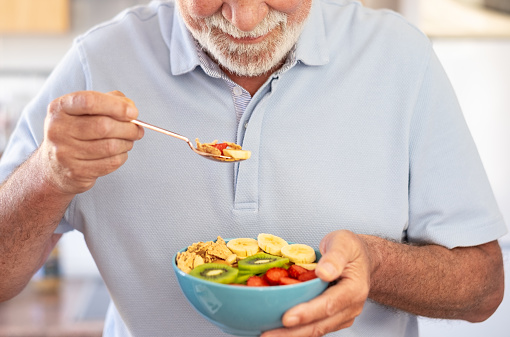
Healthy eating plays a key role in supporting energy, independence, and overall well-being as we age. For seniors, nutritional needs shift, making it important to focus on foods that deliver high value in vitamins, minerals, and protein without excess calories. A balanced plate that includes lean proteins, whole grains, fruits, vegetables, and healthy fats can…
Read MoreSigns and Symptoms of Diabetes in Older Adults
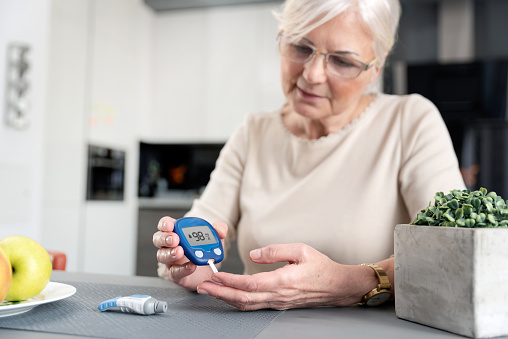
Recognizing the signs and symptoms of Diabetes in older adults is essential for early diagnosis and effective management. Symptoms can sometimes develop gradually and may be mistaken for normal aging, making them easy to overlook. Common early signs include increased thirst, frequent urination, and unexplained fatigue. Older adults may also notice blurred vision or slow-healing cuts and…
Read MoreHow to Know When It’s Time to Stop Driving
Knowing when it’s time to stop driving can be a difficult and emotional decision for older adults, as driving is closely tied to independence and freedom. However, safety—both for the driver and others on the road—must come first. Subtle warning signs often appear gradually, such as increased difficulty navigating familiar routes, slower reaction times, or…
Read MoreTips for Protecting Your Skin During Summer Season
Summer sunshine encourages us to spend more time outdoors, but it’s important for older adults to take extra precautions to protect their skin. As we age, our skin becomes thinner and more sensitive, making it more susceptible to sunburn and long-term damage. Even a single severe sunburn can increase the risk of developing skin cancer,…
Read MoreHow to Understand and Influence Older Drivers
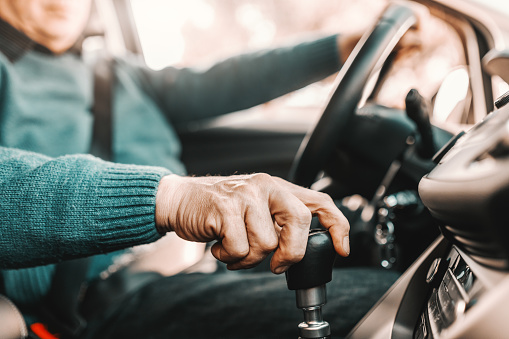
Talking with a senior about no longer driving can be one of the most sensitive and emotional conversations a family member or caregiver faces. Driving is closely tied to independence, identity, and freedom, so the goal should be to approach the discussion with empathy, respect, and understanding. Begin by choosing a calm, private moment and…
Read MoreBest Tips for Avoiding Falls
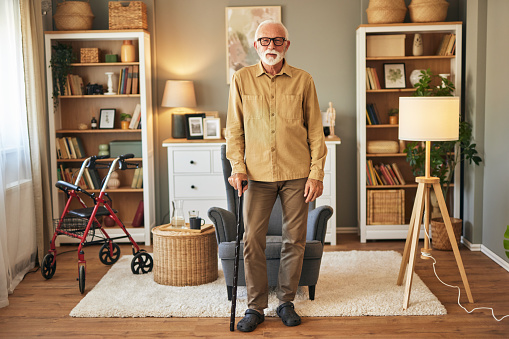
Preventing falls is one of the most important ways older adults can maintain independence and confidence in daily life. Many falls are caused by a combination of factors—reduced balance, muscle weakness, vision changes, or environmental hazards—so taking a proactive, well-rounded approach can significantly reduce risk. One of the most effective strategies is staying physically active.…
Read MoreThe Role of Resilience in Successful Aging
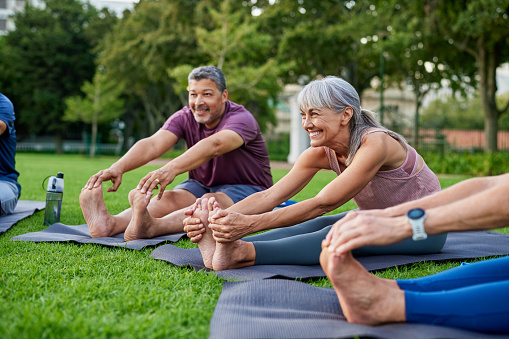
Resilience plays a vital role in successful aging because it helps older adults adapt to life’s changes while maintaining a sense of purpose and well-being. As people age, they may face transitions such as health changes, retirement, loss of loved ones, or shifts in independence. Resilience provides the emotional strength to navigate these challenges with…
Read MoreIs it Time to Consider Using Hearing Aids?
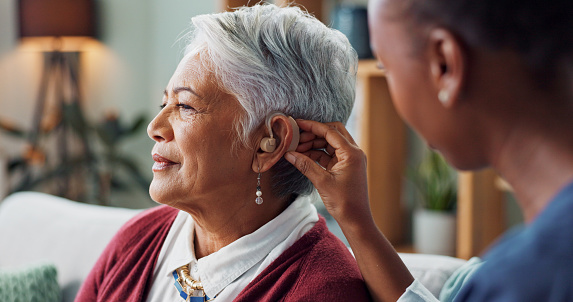
Hearing changes often happen gradually, which can make it difficult for seniors to recognize when support is needed. One of the earliest signs it may be time to try an assistive hearing device is frequently asking others to repeat themselves or feeling that people are “mumbling.” Difficulty following conversations in noisy environments—such as restaurants, social…
Read MoreThe Often Unnoticed Issue of Loneliness in Senior Men
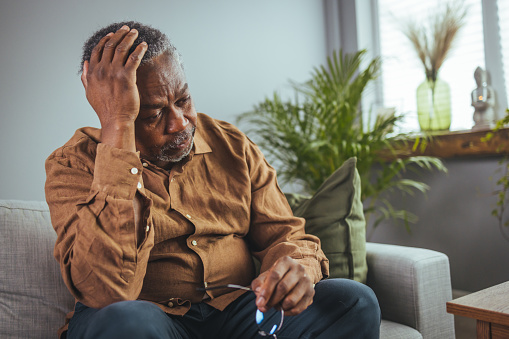
Loneliness among senior men is a growing concern that often goes unnoticed. As men age, many experience significant life changes such as retirement, loss of a spouse or close friends, and declining health, which can lead to reduced social interactions and a shrinking support network. Unlike women, who tend to maintain strong social bonds throughout…
Read MoreAnxiety in Older Adults

Anxiety is a common but often overlooked concern among older adults. It can manifest as excessive worry, restlessness, irritability, or physical symptoms like rapid heartbeat and muscle tension. While some anxiety is a natural response to life’s challenges, persistent or intense anxiety can significantly impact daily functioning and overall quality of life. Older adults may…
Read More