
Best Tips for Avoiding Falls
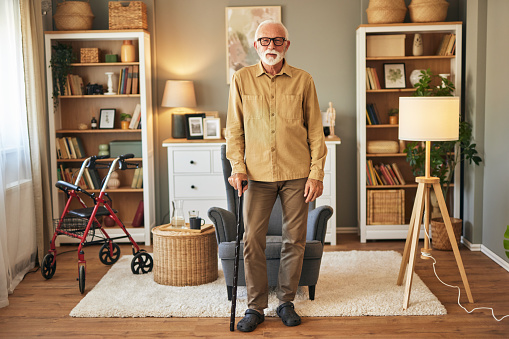
Preventing falls is one of the most important ways older adults can maintain independence and confidence in daily life. Many falls are caused by a combination of factors—reduced balance, muscle weakness, vision changes, or environmental hazards—so taking a proactive, well-rounded approach can significantly reduce risk.
One of the most effective strategies is staying physically active. Regular movement helps strengthen muscles, improve balance, and increase coordination. Activities such as walking, stretching, or structured programs that include balance exercises can make a noticeable difference. Even light strength training a few times a week can help support stability and reduce the likelihood of falls during everyday tasks.
Making simple adjustments at home can also greatly improve safety. Removing loose rugs, securing electrical cords, and keeping walkways clear of clutter can prevent tripping hazards. Installing grab bars in bathrooms, using non-slip mats in showers, and ensuring adequate lighting—especially at night—can help older adults move around their homes with greater confidence. Small changes in the environment often have a big impact on fall prevention.
Footwear and vision care are often overlooked but play a critical role. Wearing well-fitting, supportive shoes with non-slip soles provides better stability than slippers or socks alone. Regular eye exams ensure that vision changes are addressed promptly, helping seniors better navigate their surroundings and detect potential hazards before they become a problem.
Medication management is another key factor. Some medications—or combinations of medications—can cause dizziness, drowsiness, or changes in blood pressure that increase fall risk. Reviewing prescriptions regularly with a healthcare provider or pharmacist can help identify any side effects that may contribute to instability and allow for adjustments if needed.
Finally, building awareness and confidence is essential. Taking time when standing up, using assistive devices if recommended, and asking for help when needed are all smart, preventative choices. Fall prevention isn’t about limiting independence—it’s about creating a safer, more supportive environment that allows older adults to stay active, mobile, and engaged in their daily lives.
For additional tips on how to avoid fall as an older adult, from HealthyAging.org, CLICK HERE.