
Health and Wellness
Healthy Eating Tips for Older Adults
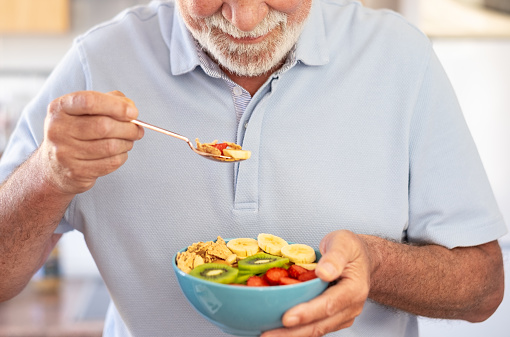
Healthy eating plays a key role in supporting energy, independence, and overall well-being as we age. For seniors, nutritional needs shift, making it important to focus on foods that deliver high value in vitamins, minerals, and protein without excess calories. A balanced plate that includes lean proteins, whole grains, fruits, vegetables, and healthy fats can…
Read MoreSigns and Symptoms of Diabetes in Older Adults
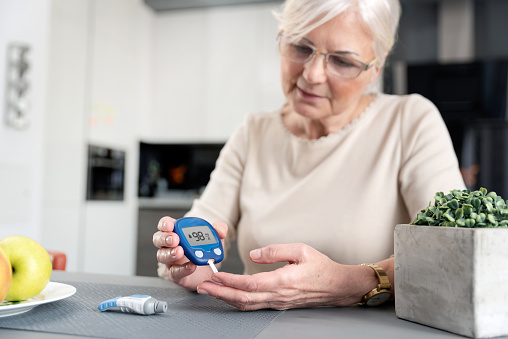
Recognizing the signs and symptoms of Diabetes in older adults is essential for early diagnosis and effective management. Symptoms can sometimes develop gradually and may be mistaken for normal aging, making them easy to overlook. Common early signs include increased thirst, frequent urination, and unexplained fatigue. Older adults may also notice blurred vision or slow-healing cuts and…
Read MoreHow to Know When It’s Time to Stop Driving
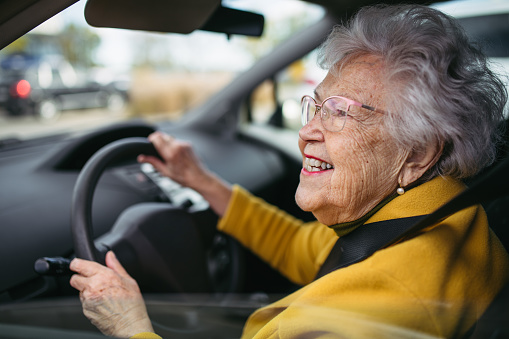
Knowing when it’s time to stop driving can be a difficult and emotional decision for older adults, as driving is closely tied to independence and freedom. However, safety—both for the driver and others on the road—must come first. Subtle warning signs often appear gradually, such as increased difficulty navigating familiar routes, slower reaction times, or…
Read MoreTips for Protecting Your Skin During Summer Season

Summer sunshine encourages us to spend more time outdoors, but it’s important for older adults to take extra precautions to protect their skin. As we age, our skin becomes thinner and more sensitive, making it more susceptible to sunburn and long-term damage. Even a single severe sunburn can increase the risk of developing skin cancer,…
Read MoreFatigue in Older Adults
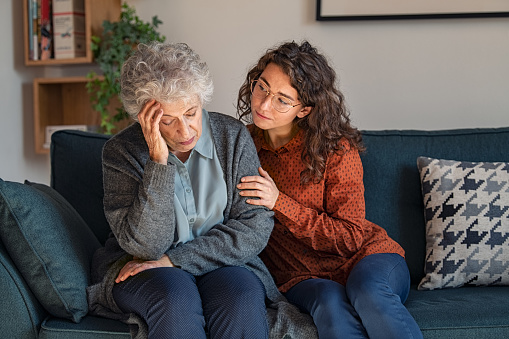
Fatigue in older adults is common, but persistent or unusual tiredness shouldn’t be brushed off as “just aging.” When someone begins to feel exhausted despite getting adequate rest, or struggles to get through normal daily activities, it can signal underlying issues. Conditions like anemia, hypothyroidism, or even early heart disease can quietly drain energy levels. Fatigue that appears suddenly,…
Read MoreThe Issue of Depression with Older Adults
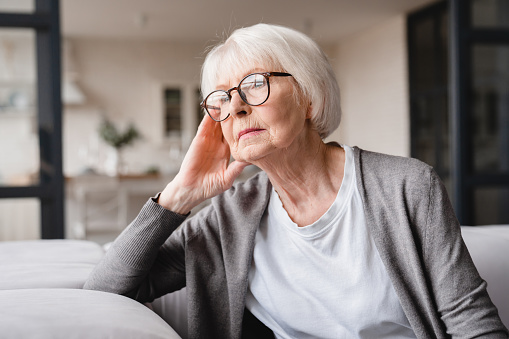
Depression in older adults is a common but often overlooked condition that can significantly impact quality of life. While it is normal to experience periods of sadness or grief—especially after major life changes such as retirement, health challenges, or the loss of loved ones—persistent feelings of hopelessness, emptiness, or disinterest in once-enjoyed activities may signal…
Read MoreBest Tips for Avoiding Falls

Preventing falls is one of the most important ways older adults can maintain independence and confidence in daily life. Many falls are caused by a combination of factors—reduced balance, muscle weakness, vision changes, or environmental hazards—so taking a proactive, well-rounded approach can significantly reduce risk. One of the most effective strategies is staying physically active.…
Read MoreHow to Identify Warning Signs of Diabetes

Diabetes can develop gradually in older adults, and early warning signs are often subtle or mistaken for normal aging. One of the most common symptoms is increased thirst and frequent urination. High blood sugar causes the body to pull fluid from tissues, leading to dehydration and a constant feeling of thirst. Seniors may also notice they…
Read MoreKnow the Risk Factors for Potential Cardiovascular Events

A recent large-scale international study has provided eye-opening insights into just how common cardiovascular risk factors are before major heart or vascular events. Researchers from Northwestern Medicine (U.S.) and Yonsei University (South Korea) analysed health data from more than 9 million Korean adults and nearly 7,000 U.S. adults over many years. They found that over 99% of…
Read MoreThe Silent Danger of High Cholesterol
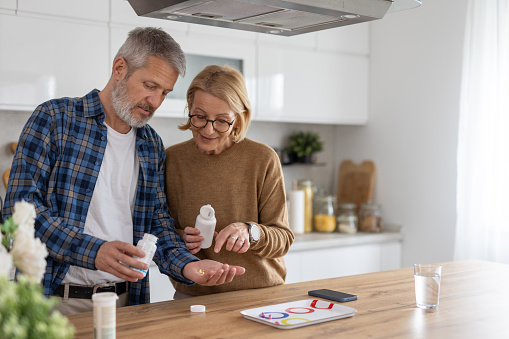
High cholesterol is often called a “silent condition” because it typically causes no noticeable symptoms. Many people—especially older adults—may have elevated cholesterol levels for years without realizing it. Cholesterol builds up in the arteries over time, forming plaque that narrows and stiffens blood vessels, a condition known as atherosclerosis. Because this process develops gradually, the…
Read More