
The Issue of Depression with Older Adults
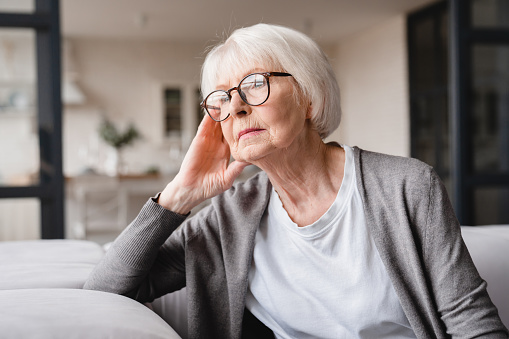
Depression in older adults is a common but often overlooked condition that can significantly impact quality of life. While it is normal to experience periods of sadness or grief—especially after major life changes such as retirement, health challenges, or the loss of loved ones—persistent feelings of hopelessness, emptiness, or disinterest in once-enjoyed activities may signal something more serious. Depression is not a normal part of aging, and recognizing its presence is the first step toward getting meaningful support and treatment.
The symptoms of depression in seniors can sometimes look different than in younger individuals. Rather than expressing sadness, older adults may report physical complaints such as fatigue, aches and pains, or changes in appetite and sleep patterns. They may withdraw from social activities, struggle with concentration, or lose motivation to complete everyday tasks. In some cases, depression can also contribute to memory problems or worsen existing medical conditions, making it especially important to address both mental and physical health together.
Several factors can increase the risk of depression in older adults. Social isolation, chronic illness, reduced mobility, and changes in independence can all contribute to feelings of loneliness or loss of purpose. Additionally, certain medications or underlying health conditions may affect mood and emotional well-being. Because these factors often overlap, depression in seniors may go undiagnosed or be mistaken for other health issues if not carefully evaluated.
The good news is that depression is treatable at any age. A combination of approaches—including therapy, medication when appropriate, physical activity, and increased social engagement—can make a significant difference. Even small lifestyle changes, such as spending time outdoors, participating in group activities, or maintaining regular routines, can help improve mood and restore a sense of connection. Support from family, caregivers, and healthcare professionals plays a critical role in encouraging seniors to seek help and stay engaged in their care.
Addressing depression in older adults is about more than improving mood—it’s about preserving dignity, independence, and overall well-being. With proper recognition, compassion, and access to resources, seniors can continue to lead fulfilling and meaningful lives, supported by a strong network of care and connection.
For additional information on depression in older adults, from the U.S. Center for Disease Control and Prevention, CLICK HERE.