
Fatigue in Older Adults
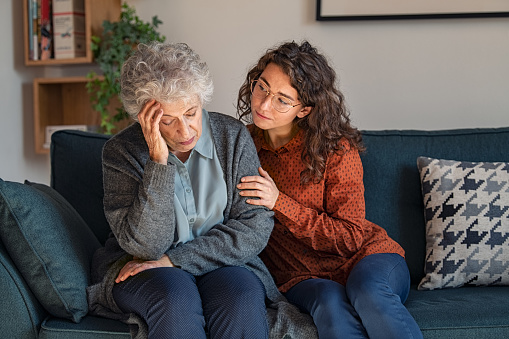
Fatigue in older adults is common, but persistent or unusual tiredness shouldn’t be brushed off as “just aging.” When someone begins to feel exhausted despite getting adequate rest, or struggles to get through normal daily activities, it can signal underlying issues. Conditions like anemia, hypothyroidism, or even early heart disease can quietly drain energy levels. Fatigue that appears suddenly, worsens over time, or interferes with independence deserves medical attention.
Changes in sleep patterns are another important warning sign. Older adults who have trouble falling asleep, wake frequently during the night, or feel unrefreshed in the morning may be dealing with conditions such as sleep apnea or chronic pain. Daytime drowsiness, frequent napping, or dozing off during conversations can point to poor sleep quality or disrupted circadian rhythms. These issues not only affect energy but can increase the risk of falls, confusion, and reduced overall health.
Fatigue can also be linked to emotional and cognitive health. Persistent tiredness paired with loss of interest in activities, low motivation, or withdrawal from social interactions may be associated with depression or even early dementia. In some cases, what looks like physical exhaustion is actually a sign of mental strain or reduced cognitive function, especially if accompanied by forgetfulness or changes in behavior.
Finally, medication side effects and poor nutrition are often overlooked contributors to fatigue. Many older adults take multiple prescriptions, and interactions or sedating medications can lead to constant tiredness or weakness. At the same time, inadequate hydration or deficiencies—such as low vitamin B12 or iron—can significantly impact energy levels. When fatigue becomes a pattern rather than an occasional feeling, it’s a clear signal to look deeper and address potential underlying causes before they worsen.
To learn more about fatigue in older adults, from the National Institute on Aging, CLICK HERE.