
Splitting Pills – Know the Risk
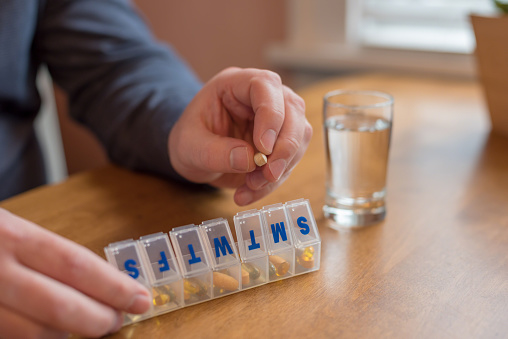
Splitting pills in half may seem like a convenient or cost-saving option, but for seniors, it can carry significant risks if not done correctly. One major concern is dosage inaccuracy. Many tablets are not designed to be split, which means breaking them can result in uneven doses—one half may contain significantly more of the active ingredient than the other. For seniors managing chronic conditions or taking medications that require precise dosing, this inconsistency can lead to ineffective treatment or serious side effects.
Another risk involves the type of medication being split. Some pills are coated for extended or delayed release, designed to dissolve slowly in the digestive system. Splitting these types of pills can disrupt that timing, causing the medication to be released too quickly or too early, which may lead to toxicity or reduced effectiveness. Additionally, certain medications can irritate the stomach lining or are dangerous if not taken exactly as prescribed, and breaking the tablet could remove the protective coating that prevents irritation.
Physical limitations also play a role. Seniors with arthritis, tremors, or vision issues may find it difficult to split pills accurately or safely. This can result in crumbling tablets, lost medication, or even accidental injury. Even with a pill splitter, some tablets don’t break cleanly.
Before splitting any medication, it’s crucial for seniors or their caregivers to consult a pharmacist or physician. They can confirm whether a pill is safe to split and may be able to recommend an appropriate alternative dose or form—such as a liquid, lower-dose pill, or extended-release version—if needed. Taking the time to ask can help prevent serious health risks and ensure medications work as intended.
AARP has a very informative piece talking about the potential dangers of pill splitting. To read it, CLICK HERE.