
The Impact of AI on Senior Healthcare
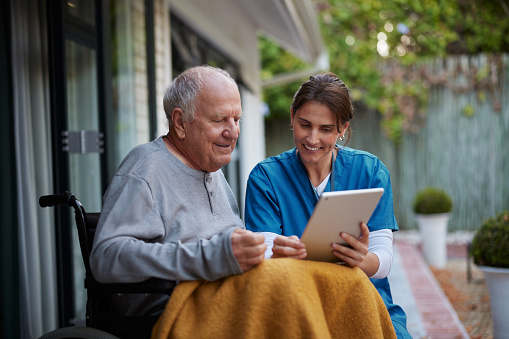
Artificial intelligence (AI) is transforming the field of medicine, offering powerful tools that improve diagnosis, treatment, and overall care—especially for older adults. AI systems can analyze vast amounts of medical data quickly and accurately, helping doctors detect diseases earlier and tailor treatments to each patient’s unique needs.
For aging adults, this means better management of chronic conditions like heart disease, diabetes, and dementia. AI-powered diagnostic tools can identify subtle changes in medical scans or lab results that might go unnoticed by the human eye, allowing for earlier interventions and improved outcomes.
Beyond diagnosis, AI is improving the daily lives of seniors through technologies that support independence and safety. Smart home devices and wearable sensors can monitor vital signs, track movement, and alert caregivers or medical professionals to potential health concerns—such as falls or irregular heart rhythms—in real time.
Virtual assistants powered by AI also help older adults manage medications, schedule appointments, and stay socially connected, reducing feelings of isolation. In senior living communities and healthcare settings, AI-driven systems are helping staff deliver more personalized care by predicting residents’ needs and optimizing routines.
Together, these innovations make healthcare more proactive, accessible, and compassionate for the aging population.
Learn more about AI and its impact on the healthcare industry in this piece by AARP. To view the story, CLICK HERE.