
What is Chronic Venous Insufficiency?
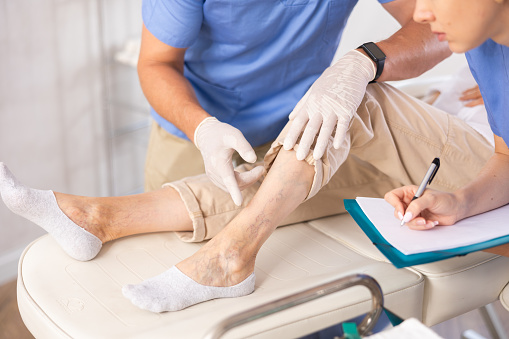
Chronic Venous Insufficiency (CVI) is a condition that occurs when the veins in the legs are unable to effectively return blood back to the heart. Normally, valves inside the veins help keep blood flowing in one direction—upward, against gravity. In people with CVI, these valves become weakened or damaged, causing blood to pool in the lower legs. Over time, this leads to symptoms such as swelling, aching, heaviness, cramping, and varicose veins.
As the condition progresses, individuals may experience skin discoloration, thickening, or even the development of painful venous ulcers—open sores that are slow to heal, typically near the ankles. Risk factors for CVI include aging, obesity, a sedentary lifestyle, a history of deep vein thrombosis (DVT), and occupations that require prolonged standing or sitting.
CVI is a chronic condition, but with proper management, symptoms can be greatly improved. Treatment often begins with lifestyle changes such as leg elevation, regular exercise, weight management, and the use of compression stockings to help improve blood flow. In more advanced cases, medical procedures like sclerotherapy, laser therapy, or vein surgery may be necessary to repair or remove damaged veins.
Early diagnosis and consistent care are important to prevent complications and maintain quality of life. Seniors, in particular, should be vigilant about any persistent leg discomfort, swelling, or skin changes and consult a healthcare provider to determine if CVI may be the underlying cause.
For more information about this condition, from a story in AARP, CLICK HERE.