
What to Know About Shingles
Shingles, also known as herpes zoster, is a painful skin rash caused by the reactivation of the varicella-zoster virus—the same virus that causes chickenpox. After a person recovers from chickenpox, the virus lies dormant in the nerve tissue and may resurface years later as shingles. The condition often begins with tingling, burning, or itching on one side of the body, followed by a rash that develops into fluid-filled blisters. These blisters typically scab over in 7 to 10 days and clear up within two to four weeks. However, for many older adults, the pain can be severe and long-lasting.
Age is one of the biggest risk factors for shingles. Adults over 50 are significantly more likely to develop it because the immune system naturally weakens with age. One of the most common complications in older adults is postherpetic neuralgia, a condition where the nerve pain persists long after the rash has healed. This lingering pain can interfere with sleep, mood, and daily activities, making shingles more than just a short-term discomfort. Other complications may include vision or hearing problems if the outbreak affects the eyes or ears.
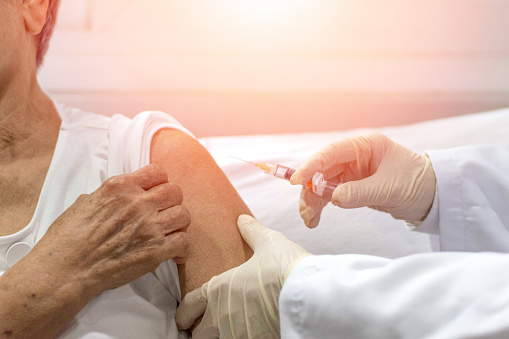
The good news is that shingles can often be prevented or its severity reduced with vaccination. The shingles vaccine is recommended for adults 50 and older, even for those who don’t remember having chickenpox, since most people have been exposed to the virus in childhood. The vaccine helps boost the immune system and significantly lowers the risk of developing shingles and its complications. Older adults should talk with their healthcare provider to see if they are eligible and to understand the best timing for vaccination.
In addition to vaccination, early treatment plays a key role in managing shingles. Antiviral medications are most effective when started within 72 hours of the rash appearing, as they can shorten the duration of the illness and lessen the intensity of symptoms. Seniors should be mindful of any unusual pain, tingling, or rash and seek medical attention promptly. Managing stress, maintaining a healthy immune system through good nutrition and regular exercise, and staying up to date with medical care are all important steps in reducing the risk and impact of shingles as one ages.
For more information on shingles, from the National Institute on Aging, CLICK HERE.