
Why are My Ears Ringing?
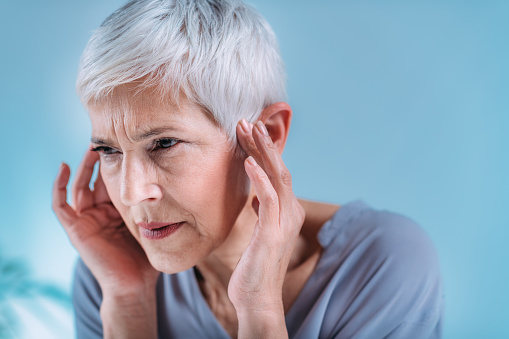
Many older adults experience ringing, buzzing, or hissing sounds in the ears, a condition known as tinnitus. This sensation is often most noticeable in quiet settings and can range from a mild background noise to a persistent distraction. Tinnitus is not a disease itself but rather a symptom of an underlying issue, and it becomes more common with age. For some, it is a minor annoyance, while for others, it can interfere with sleep, concentration, and overall quality of life.
One of the most common causes of tinnitus in seniors is age-related hearing loss. As the delicate hair cells in the inner ear naturally deteriorate over time, the brain may interpret missing sound signals as internal noise. Other potential causes include long-term exposure to loud sounds, earwax buildup, circulatory problems, or certain medications that affect hearing. Because tinnitus can have many sources, it’s important for older adults to discuss their symptoms with a healthcare provider to identify possible contributing factors.
While there is no universal cure for tinnitus, several strategies can help manage it. Hearing aids can improve overall hearing and reduce the perception of ringing by amplifying external sounds. Sound therapy, such as white noise machines or calming background music, can mask the ringing and make it less noticeable. Lifestyle adjustments—like reducing caffeine and alcohol, practicing stress management, and getting regular sleep—may also provide relief. In some cases, doctors may recommend specialized therapies, such as cognitive behavioral therapy (CBT), to help cope with the emotional impact of tinnitus.
With the right support, many seniors find ways to minimize the impact of ringing in the ears and maintain a good quality of life. Addressing hearing health early, staying proactive with medical care, and adopting coping strategies can make tinnitus more manageable and less disruptive.
To learn more about tinnitus, from the Cleveland Clinic, CLICK HERE.