
How to Know if You’re Taking Too Many Prescription Drugs
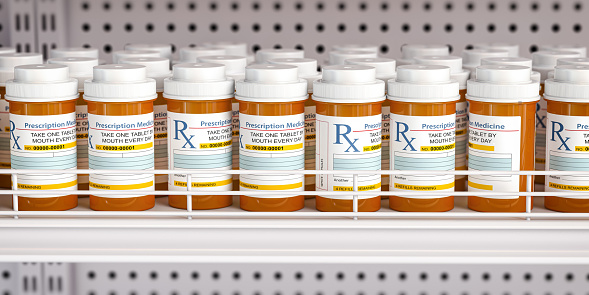
As people age, it’s common to develop multiple health conditions that require medication. However, taking too many prescription drugs—also known as polypharmacy—can pose serious risks, especially for older adults. Warning signs that you may be taking too many medications include feeling unusually tired, confused, dizzy, or experiencing frequent falls. New or worsening side effects, such as nausea, dry mouth, constipation, or trouble sleeping, can also be red flags.
Another sign is needing additional medications to treat the side effects of others, which can create a cycle of overmedication. If you find yourself with multiple pill bottles, overlapping prescriptions, or struggling to keep track of doses and timing, it may be time to reassess your medication regimen. Keeping a written list of all prescriptions, over-the-counter drugs, and supplements can help both you and your healthcare provider see the bigger picture.
Routine medication reviews with a doctor or pharmacist are essential, particularly when you’ve recently added a new prescription or experienced a change in your health. During these reviews, your provider can check for drug interactions, eliminate unnecessary or duplicate medications, and adjust dosages as needed. In some cases, lifestyle changes or alternative treatments may reduce the need for certain drugs altogether.
To learn what to do if you suspect overmedication by a friend or loved one, from AARP, CLICK HERE.