
Posts by promenadeliv
Healthy Eating Tips for Older Adults
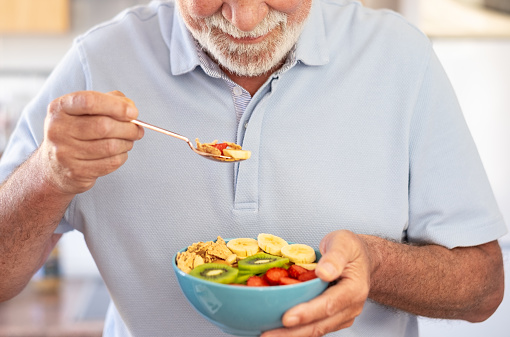
Healthy eating plays a key role in supporting energy, independence, and overall well-being as we age. For seniors, nutritional needs shift, making it important to focus on foods that deliver high value in vitamins, minerals, and protein without excess calories. A balanced plate that includes lean proteins, whole grains, fruits, vegetables, and healthy fats can…
Read MoreSigns and Symptoms of Diabetes in Older Adults
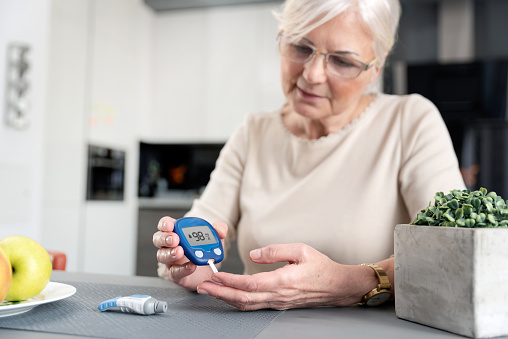
Recognizing the signs and symptoms of Diabetes in older adults is essential for early diagnosis and effective management. Symptoms can sometimes develop gradually and may be mistaken for normal aging, making them easy to overlook. Common early signs include increased thirst, frequent urination, and unexplained fatigue. Older adults may also notice blurred vision or slow-healing cuts and…
Read MoreHow to Know When It’s Time to Stop Driving
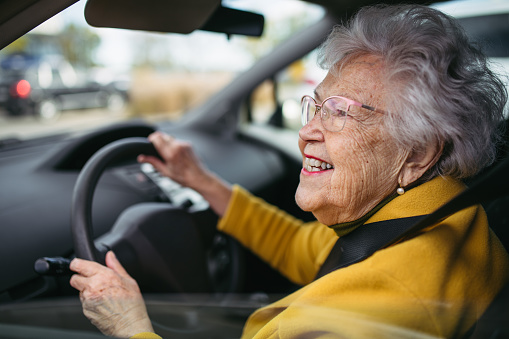
Knowing when it’s time to stop driving can be a difficult and emotional decision for older adults, as driving is closely tied to independence and freedom. However, safety—both for the driver and others on the road—must come first. Subtle warning signs often appear gradually, such as increased difficulty navigating familiar routes, slower reaction times, or…
Read MoreWarning Signs of Dementia Not to Ignore
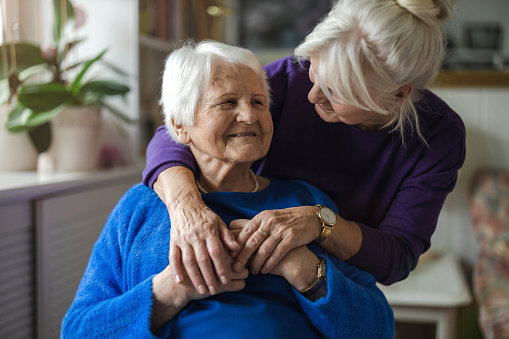
Dementia often begins with subtle changes that can be easy to dismiss as normal aging, but certain patterns should not be ignored. One of the most common early warning signs is persistent memory loss—especially forgetting recently learned information, important dates, or repeatedly asking for the same details. While occasional forgetfulness happens to everyone, consistent difficulty…
Read MoreTips for Protecting Your Skin During Summer Season

Summer sunshine encourages us to spend more time outdoors, but it’s important for older adults to take extra precautions to protect their skin. As we age, our skin becomes thinner and more sensitive, making it more susceptible to sunburn and long-term damage. Even a single severe sunburn can increase the risk of developing skin cancer,…
Read MoreHow to Understand and Influence Older Drivers

Talking with a senior about no longer driving can be one of the most sensitive and emotional conversations a family member or caregiver faces. Driving is closely tied to independence, identity, and freedom, so the goal should be to approach the discussion with empathy, respect, and understanding. Begin by choosing a calm, private moment and…
Read MoreFatigue in Older Adults
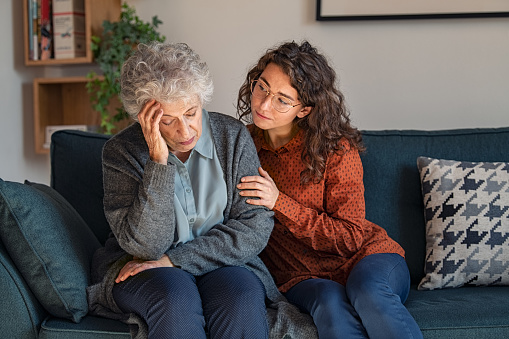
Fatigue in older adults is common, but persistent or unusual tiredness shouldn’t be brushed off as “just aging.” When someone begins to feel exhausted despite getting adequate rest, or struggles to get through normal daily activities, it can signal underlying issues. Conditions like anemia, hypothyroidism, or even early heart disease can quietly drain energy levels. Fatigue that appears suddenly,…
Read MoreDo You Have a Stretching Routine?

Stretching plays a vital role in maintaining mobility and independence for older adults. As the body ages, muscles naturally lose elasticity and joints can become stiffer, making everyday movements—like bending, reaching, or walking—more difficult. Regular stretching helps keep muscles flexible and joints limber, which supports better posture, balance, and coordination. This can make daily activities…
Read MoreHow Diet Impacts Dementia Risk in Older Adults

Diet plays a meaningful role in brain health, and growing research suggests that what older adults eat may influence their risk of developing dementia. Diets high in processed foods, added sugars, and saturated fats have been linked to inflammation and vascular problems, both of which can negatively affect the brain over time. In contrast, eating patterns…
Read MoreWhen to Take Action on Memory Issues with a Senior Loved One

Noticing occasional forgetfulness in older adults can be a normal part of aging, but there are times when memory changes may signal something more serious. It’s important to pay attention to patterns and progression. Misplacing items or forgetting names occasionally is common; however, consistently forgetting recently learned information, repeating the same questions, or struggling to…
Read More