
Is it Time to Consider Using Hearing Aids?
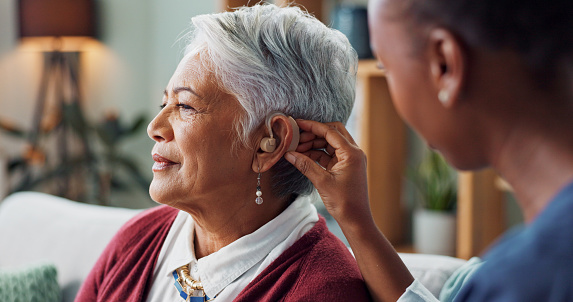
Hearing changes often happen gradually, which can make it difficult for seniors to recognize when support is needed. One of the earliest signs it may be time to try an assistive hearing device is frequently asking others to repeat themselves or feeling that people are “mumbling.” Difficulty following conversations in noisy environments—such as restaurants, social gatherings, or group activities—is another common indicator, as background noise can overwhelm weakened hearing.
Social and emotional changes can also signal hearing loss. Seniors who begin avoiding phone calls, group events, or conversations they once enjoyed may be compensating for hearing difficulties without realizing it. Feelings of frustration, embarrassment, or fatigue after conversations can arise from the extra effort required to listen and understand. Over time, untreated hearing loss may contribute to isolation, anxiety, or depression.
Changes in daily habits provide additional clues. Turning up the television or radio volume higher than others prefer, relying more heavily on captions, or missing doorbells, alarms, or phone rings may suggest hearing support would be beneficial. Family members and caregivers are often the first to notice these patterns and can play an important role in encouraging evaluation and early intervention.
Health and safety considerations are equally important when deciding to try assistive hearing devices. Difficulty hearing instructions from healthcare providers, warnings, or emergency signals can increase risks. Research also shows that untreated hearing loss is associated with cognitive strain and may affect balance, increasing fall risk. Addressing hearing loss early can help protect overall well-being and independence.
A hearing evaluation by an audiologist is the best way to determine whether assistive hearing devices are appropriate. Today’s options range from traditional hearing aids to discreet, user-friendly devices designed for different lifestyles and levels of hearing loss. Trying an assistive device is not a sign of loss of independence—it is a proactive step toward staying connected, engaged, and confident in everyday life.
To learn more about the benefits of hearing aids and how to adjust to them, from the National Council on Aging, CLICK HERE.