
Signs and Symptoms of Diabetes in Older Adults
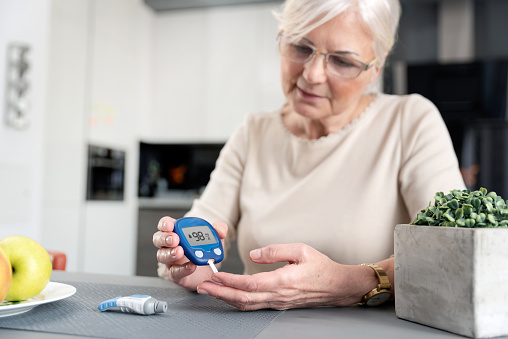
Recognizing the signs and symptoms of Diabetes in older adults is essential for early diagnosis and effective management. Symptoms can sometimes develop gradually and may be mistaken for normal aging, making them easy to overlook. Common early signs include increased thirst, frequent urination, and unexplained fatigue. Older adults may also notice blurred vision or slow-healing cuts and bruises, which can indicate elevated blood sugar levels affecting circulation and the body’s ability to repair itself.
In many cases, seniors with diabetes experience subtle changes that impact their daily lives. Unintended weight loss, even when eating normally, can be a warning sign, as the body struggles to properly use glucose for energy. Increased hunger may also occur, alongside feelings of weakness or irritability. Additionally, recurring infections—such as urinary tract infections or skin infections—are more common, as high blood sugar can weaken the immune system and make it harder for the body to fight off bacteria.
Older adults are also at higher risk for experiencing complications related to diabetes, which can sometimes be the first noticeable sign of the condition. Numbness or tingling in the hands and feet may indicate nerve damage, while dizziness or difficulty maintaining balance can increase the risk of falls. Some individuals may also experience confusion or changes in mental clarity, particularly if blood sugar levels fluctuate significantly throughout the day.
Because symptoms can be mild or atypical, regular health screenings are especially important for seniors. Routine blood tests can help detect diabetes early, even before noticeable symptoms appear. Managing risk factors—such as maintaining a healthy diet, staying physically active, and monitoring weight—can also play a key role in prevention and control.
Understanding these warning signs empowers older adults and their caregivers to take action sooner rather than later. Early detection and proper management can help reduce the risk of complications, improve quality of life, and support long-term health and independence.
For tips on how to recognize the signs and symptoms of diabetes in older adults, from the American Diabetes Association, CLICK HERE.