Posts by promenadeliv
When a Headache May Need Medical Attention
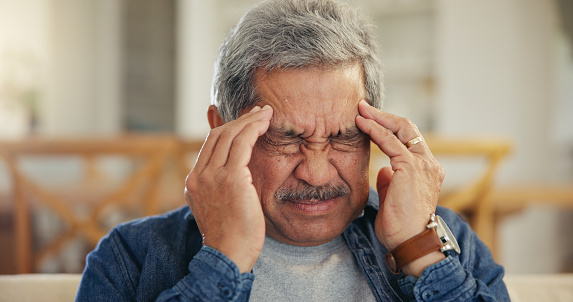
Headaches are common at any age, but for older adults, they can sometimes signal an underlying medical issue that needs attention. It’s wise to take headaches seriously if they are new or feel different from those you’ve had before—especially if they come on suddenly and intensely. A severe, “worst headache of your life” type of…
Read MoreHearing Loss and Aging
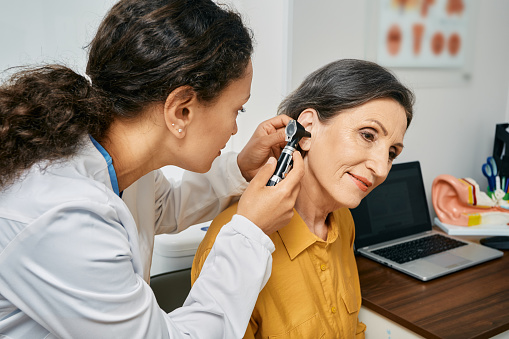
Hearing loss is often gradual, which means many people don’t notice it right away. A good reason to visit your doctor is if you find yourself frequently asking others to repeat themselves, turning up the volume on the TV or phone, or struggling to follow conversations—especially in noisy environments. These can be early signs that…
Read MoreDeciding if Fish Oil Supplements are Right for You

Fish oil supplements are widely praised for their rich supply of omega-3 fatty acids, particularly EPA and DHA, which play an important role in heart and brain health. For seniors, these benefits may be especially valuable, as omega-3s have been linked to lowering triglyceride levels, reducing inflammation, and supporting healthy blood pressure. Some research also…
Read MoreWhat is Chronic Venous Insufficiency?
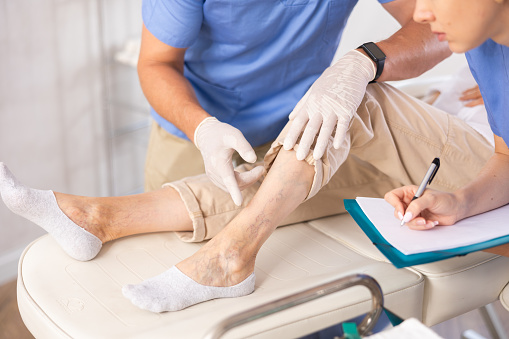
Chronic Venous Insufficiency (CVI) is a condition that occurs when the veins in the legs are unable to effectively return blood back to the heart. Normally, valves inside the veins help keep blood flowing in one direction—upward, against gravity. In people with CVI, these valves become weakened or damaged, causing blood to pool in the…
Read MoreThe Many Health Benefits of the DASH Diet
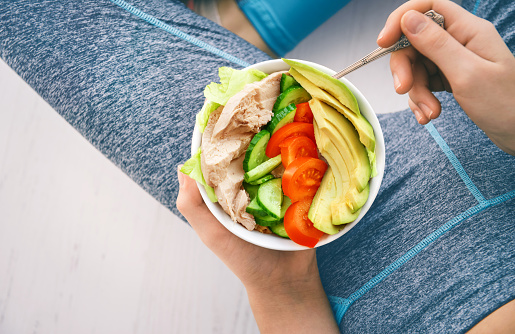
The DASH diet—short for Dietary Approaches to Stop Hypertension—is an eating plan specifically designed to help lower blood pressure and improve heart health. It emphasizes whole, nutrient-rich foods like fruits, vegetables, whole grains, lean proteins, and low-fat dairy while limiting foods high in sodium, added sugar, and unhealthy fats. This balance of nutrients provides plenty…
Read MoreWhy are My Ears Ringing?
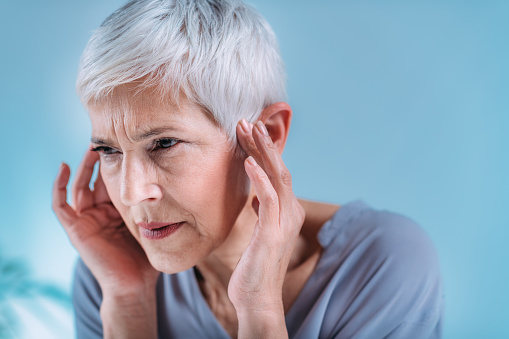
Many older adults experience ringing, buzzing, or hissing sounds in the ears, a condition known as tinnitus. This sensation is often most noticeable in quiet settings and can range from a mild background noise to a persistent distraction. Tinnitus is not a disease itself but rather a symptom of an underlying issue, and it becomes…
Read MoreThe Connection Between Blood Pressure and Cognitive Decline

We’ve learned over the years that managing your blood pressure will help cut your risk of heart attack, stroke and other conditions as you age. But new guidelines from the American Heart Association are now confirming that treating high blood pressure can also lower your risk of cognitive decline. High blood pressure, especially in midlife…
Read MoreHow to Know if You’re Taking Too Many Prescription Drugs
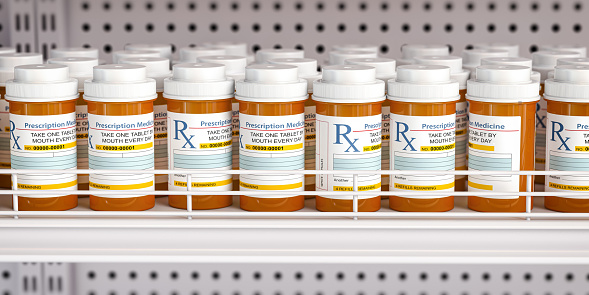
As people age, it’s common to develop multiple health conditions that require medication. However, taking too many prescription drugs—also known as polypharmacy—can pose serious risks, especially for older adults. Warning signs that you may be taking too many medications include feeling unusually tired, confused, dizzy, or experiencing frequent falls. New or worsening side effects, such…
Read MoreThe Many Benefits of the Mediterranean Diet

The Mediterranean diet is widely regarded as one of the healthiest eating patterns, especially for older adults. Inspired by the traditional cuisines of countries like Greece, Italy, and Spain, this diet emphasizes whole, minimally processed foods such as fruits, vegetables, whole grains, legumes, nuts, seeds, olive oil, and moderate amounts of fish, poultry, and dairy.…
Read MoreSplitting Pills – Know the Risk
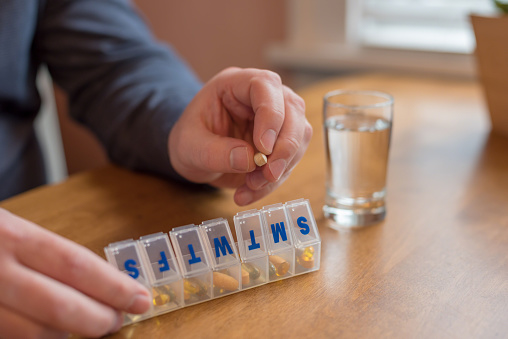
Splitting pills in half may seem like a convenient or cost-saving option, but for seniors, it can carry significant risks if not done correctly. One major concern is dosage inaccuracy. Many tablets are not designed to be split, which means breaking them can result in uneven doses—one half may contain significantly more of the active…
Read More